Expert Diesel Engine Repair Service: Keep Your Engine Operating Efficiently
Qualified diesel engine repair services remain important in maintaining engine efficiency and trustworthiness. Competent technicians harness precision diagnostic instruments to locate issues before they advance. Scheduled maintenance not only enhances output but also increases the engine's operational span. Discerning the indicators that communicate your engine requires care is indispensable. Given that common challenges can arise without warning, comprehending how to tackle them can minimize expenditures and downtime. What should one concentrate on when engaging professional help?
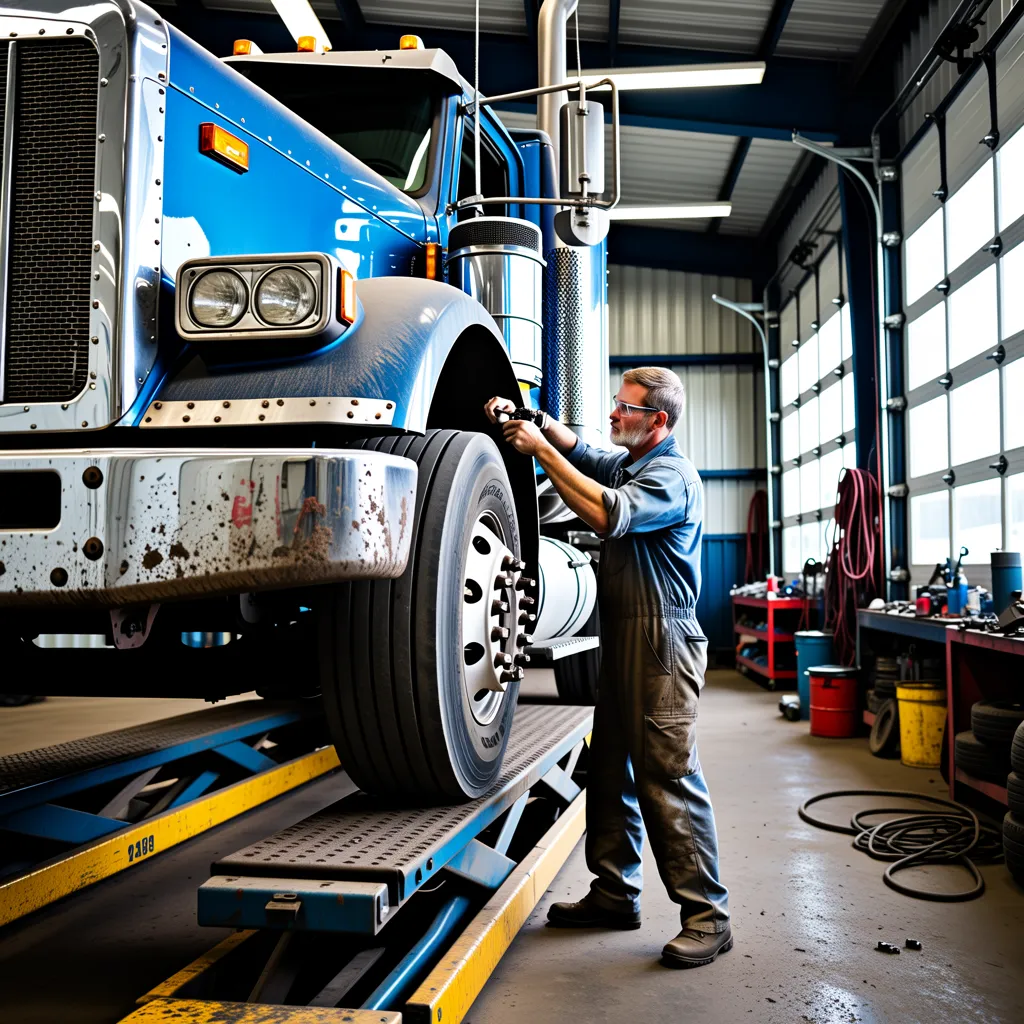
Identifying When Your Diesel Engine Demands Aid?
How can someone decide when a diesel engine calls for attention? There are several signs that a diesel engine might need repairs. Unusual noises, like knocking or hissing, often point to internal problems. Excessive smoke from the exhaust—especially black, blue, or white—can signal fuel inefficiency or oil leaks. A noticeable decline in performance, such as reduced power or stalling, points to issues that demand swift attention. Keeping an eye on fluid levels is crucial; low oil or coolant may signal leaks or other concerns. Also, a warning light illuminated on the dashboard should never be ignored since it signals a detected malfunction in the engine management system. Finally, any changes in fuel consumption can be another warning sign. Early recognition of these signs can help avoid further damage and extend the engine's lifespan.
The Significance of Regular Diesel Engine Maintenance
Consistent diesel engine maintenance is vital for ensuring maximum output and longevity. Scheduled inspections and servicing enable you to spot emerging complications before they escalate into costly repairs. Preserving the engine in good condition, changing the oil regularly, and inspecting filters are critical actions that improve efficiency and reduce emissions. Also, monitoring fuel quality and maintaining the cooling system avert excessive heat and strengthen overall reliability.
Ignoring maintenance can lead to decreased fuel efficiency and increased wear on engine components, ultimately limiting the engine's lifespan. Regular inspections also provide opportunities to update software or make necessary tweaks to improve performance. Moreover, adherence to a maintenance schedule helps sustain warranty coverage and guarantees compliance with environmental regulations. By prioritizing regular diesel engine maintenance, owners can enjoy a more effective, powerful, and dependable engine, leading to lower operational costs and minimized downtime.
Experienced Diesel Engine Maintenance Services: Why They Are Important
Specialist diesel engine repair solutions play a key role in guaranteeing precise diagnostics and effective remedies. By resolving issues promptly, they help prevent expensive breakdowns that can disrupt operations. Additionally, their expertise helps with enhancing the overall longevity of diesel engines, protecting investments over time.
Knowledge Delivers Accurate Diagnostics
When a diesel engine encounters problems, the importance of expert analysis cannot be overemphasized. Skilled mechanics possess the knowledge and tools required to precisely identify problems that may not be immediately obvious. Their skill allows them to interpret intricate data from diagnostic tools, ensuring that the root cause of the problem is pinpointed rather than merely tackling superficial signs. This comprehensive method minimizes the risk of misdiagnosis, which can lead to unneeded repairs and prolonged idle time. Additionally, expert diagnostics lead to a more efficient maintenance procedure, allowing for swift and effective solutions. In the end, depending on experts not only enhances engine performance but also maintains the lifespan and dependability of the diesel engine, making it an vital aspect of maintenance.
Prevents Significant Failures
Thwarting costly breakdowns is a vital edge of utilizing professional diesel engine service services. These authorities possess the acumen and experience to identify looming issues before they multiply into weighty problems. Perpetual care, performed by accomplished technicians, warrants that engines run productively, reducing the odds of surprising failures. By addressing negligible repairs without delay, professional services lessen risks associated with extensive damage, which can spawn expensive repairs and prolonged downtime. In addition, expert diagnostics contribute to deciphering the engine's distinctive needs, enabling made-to-order solutions that strengthen performance. Channeling investment into such services ultimately safeguards against the financial strain that surprising breakdowns can levy, guaranteeing that operations remain uninterrupted and costs are kept in check.
Enhances Engine Longevity
Engaging professional diesel engine repair services not only avoids costly breakdowns but also significantly improves engine longevity. Experienced technicians possess specialized knowledge and tools to spot and resolve potential issues before they escalate. Regular maintenance, including oil changes and filter replacements, ensures peak performance and minimizes wear on engine components. In addition, these services often feature state-of-the-art diagnostic techniques that detect inefficiencies or malfunctions that could otherwise go unnoticed. By addressing problems early, diesel engine repair specialists can substantially extend the engine's operational lifespan. This proactive strategy encourages reliability and efficiency, ultimately yielding lower consult article operational costs over time. Ultimately, investing in expert repair services is a smart choice for those aiming for durability in their diesel engines.
Major Diesel Engine Problems and Steps to Address Them
Within the sphere of diesel engines, numerous typical issues can obstruct performance and efficiency. Recognizing these issues, combined with putting into practice preventative maintenance and effective repair techniques, is crucial for optimal operation. This analysis will emphasize key challenges and solutions for maintaining diesel engine reliability.
Common Diesel Engine Issues
Diesel engines, known for their performance and strength, can encounter a variety of issues that may impede operation. One frequent issue is contaminated fuel, which can cause inadequate burning and decreased output. Additionally, failed injectors is a common problem, often causing rough idling or misfiring. Another issue is overheating, usually caused by coolant leaks or a malfunctioning thermostat, which can severely damage engine components. Restricted air intake, such as blocked filters, can restrict airflow and decrease efficiency. Finally, excessive exhaust smoke may signal partial combustion, often associated with damaged piston rings or defective valves. Addressing these problems quickly is crucial to preserving the best engine performance and durability.
Preventive Maintenance Instructions
The functionality of a diesel engine depends on routine preventative maintenance practices that can reduce frequent problems. Regular oil changes are crucial, as clean oil ensures adequate lubrication and decreases wear. Checking and replacing fuel filters on a set schedule prevents clogging that might compromise engine performance. Monitoring coolant levels and ensuring the cooling system operates effectively helps avoid overheating. Moreover, inspecting and upkeeping the air intake system is essential for optimal combustion. Consistently inspecting belts and hoses for wear signs can prevent unexpected failures. Lastly, conducting regular diagnostics detects potential problems early, which allows for timely intervention and reduces expensive repairs. Applying these maintenance strategies promotes engine longevity and dependable operation.
Overview of Maintenance Methods
Determining and fixing common diesel engine problems is critical for preserving peak performance and longevity. Common problems include fuel delivery failures, overheating, and excessive exhaust output. Solid restoration methods often involve diagnostics to pinpoint the underlying problem, followed with targeted actions such as installing new fuel injectors or cleaning fuel filters. Overheating can be addressed by checking coolant levels and inspecting the radiator, while exhaust difficulties may call for the replacement of the catalytic converter. Regular servicing, including oil changes and air filter replacements, can prevent many problems from surfacing. By putting into practice these restoration strategies, diesel engine owners can reinforce reliability and efficiency, in the end boosting the life of their engines.
Finding the Perfect Diesel Engine Repair Shop
When looking for the perfect diesel engine repair shop, one must consider multiple factors that can significantly affect the quality of service. First, the shop's standing is vital; online feedback and testimonials can provide insight into previous customer experiences. In addition, the qualifications and experience of the technicians are crucial, as skilled professionals can properly identify and resolve issues.
Access to contemporary equipment and tech innovations also plays a significant role for effective repairs. A shop that is well-equipped is able to execute repairs efficiently and accurately. Additionally, honest pricing structures and transparent warranty provisions can signify a credible shop.
Lastly, closeness to the customer's area may improve convenience, especially in urgent situations. By carefully evaluating these aspects, individuals can make well-considered choices when selecting a diesel engine repair shop that satisfies their particular requirements.
Recommendations for Prolonging the Lifespan of Your Diesel Engine
A couple of basic techniques can significantly extend the life expectancy of a diesel engine. Routine upkeep is essential; following the manufacturer's maintenance plan guarantees prompt oil replacements and filter changes. Using premium fuel can also create a substantial difference, as it decreases the likelihood of injector deposits and enhances combustion efficiency.
Checking motor temperature is essential. Engine overheating can produce serious damage, so maintaining sufficient coolant levels and addressing any fluid loss without delay is vital. Also, keeping clean the air intake system prevents particles and dirt from accessing the engine, which can cause deterioration.
Driving patterns also have an impact; steering clear of unnecessary idling and quick acceleration helps reduce strain on the engine. Eventually, investing in a trustworthy diagnostic tool enables early detection of problems, allowing proactive steps to avoid costly repairs. By applying these strategies, diesel engine owners can ensure their engines stay reliable and efficient for many years ahead.
Commonly Addressed Questions
How do I track down a knowledgeable Diesel Engine Technician?
To source a proficient diesel engine technician, one should gather referrals, read internet feedback, authenticate certifications, and inquire about with specific engine types. Assessing multiple candidates ensures selecting the most skilled professional for the job.
What Devices Do I Want for Basic Diesel Engine Maintenance?
For basic diesel engine maintenance, essential tools include wrenches, screwdrivers, pliers, oil filters, a multimeter, a fuel pressure gauge, and a torque wrench. These instruments help ensure proper upkeep and troubleshooting of diesel engines.
Can I undertake My Own Diesel Engine Repairs?
Yes, one can conduct their own diesel engine repairs with the appropriate tools, knowledge, and protective measures. However, intricate problems may call for professional assistance to guarantee peak performance and stop further harm to the engine.
How often Should I Assess My Diesel Engine's Oil Volume?
Monitoring a diesel engine's oil levels every 5,000 to 7,500 miles is advisable. Periodic inspections guarantee peak performance and prevent potential injury, allowing timely maintenance and strengthening the engine's longevity and efficiency.
What Standard Red Flags Indicate a Weakening Diesel Fuel Injector?
Frequent symptoms of a worn diesel fuel injector involve rough engine idle, decreased fuel efficiency, excessive smoke from the exhaust, engine misfires, and a noticeable increase in engine noise during use. Regular checks are suggested.